News

Navigating the 2026–27 car thresholds
If you're thinking about purchasing or leasing a vehicle for your business in the new financial year, it's worth understanding the updated car thresholds that apply from 1 July 2026. While these limits may seem technical, they can have a practical impact on the amount you can claim for tax depreciation deductions, the GST credits that are available, and whether luxury car tax (LCT) could apply.

Don’t let sharing economy income catch you off guard this tax time
The sharing economy has created new opportunities for Australians to earn additional income. Whether it's driving for a ride-sharing service, renting out a holiday property, completing freelance work, hiring out equipment, or creating digital content, many people are supplementing their regular income through online platforms.

High Court brings greater clarity on trust distributions
The High Court has recently handed down an important decision that will impact many private business groups using discretionary trusts and corporate beneficiaries.

Is AI going to mean that accountants are out of a job? Unlikely!
We are proud to share that our Managing Principal, David McLennan CA, has been featured in the latest edition of Acuity magazine!
In the feature article, David joins industry leaders to discuss the rise of Accountable Intelligence the concept of keeping humans firmly
in the driver’s seat while leveraging advanced AI to work smarter, streamline efficiencies, and elevate client relationships.

After 15 years of exceptional service, our Financial Services Principal Julie Sherwood has retired
After 15 years of exceptional service, mentorship, and client care, our Financial Services Principal Julie Sherwood has retired. Julie’s journey from healthcare to wealth management highlights her incredible dedication to helping others. Join us in wishing Julie every happiness and good health in her next chapter.

Get Ready for 2026–27: Practical Steps SMSF Trustees Must Take Now
With the start of the 2026–27 financial year, SMSF trustees should take a proactive approach to ensure funds remain compliant and well positioned. Below is a concise checklist of the key legislative changes, compliance deadlines and practical steps trustees should prioritise.

ATO Cracks Down on Personal Services Income Arrangements: Is Your Business at Risk?
The ATO is sharpening its focus on how taxpayers generating income from personal services deal with that income for tax purposes. In a recent Spotlight bulletin, Small Business Assistant Commissioner Tony Poulakis highlighted the release of Practical Compliance Guideline PCG 2025/5.

Updates to Budget Measures and New Developments
Since the Federal Treasurer handed down the 2026-27 Federal Budget on 12 May 2026 there has been a significant amount of commentary on some of the more controversial proposals, including the decision to replace the CGT discount with an indexation system and impose a 30% minimum tax rate on discretionary trusts

Giving Back to Our Communities: Announcing the 2026 Forsyths Foundation Donations
At Forsyths, we believe that a strong community isn’t just built on sound financial planning and spreadsheets, it’s built on heartbeat, connection, and lending a hand when it’s needed most.

Anti-Money Laundering Update - What it means for you
The Australian Government is moving ahead with Tranche 2 of the Anti-Money Laundering and Counter-Terrorism Financing (AML/CTF) legislation, with changes expected to apply from 1 July 2026.
Key 2026–27 Federal Budget tax reforms: What they mean for you
The 2026–27 Federal Budget, released on 12 May 2026, has received more attention than most budgets in recent years.
With proposed changes to negative gearing, the CGT discount and the taxation of trusts, this is a budget that has the potential to
materially impact on property investors, business owners and families using discretionary trusts.

Ending card surcharges: What you need to know before 1 October 2026
The Reserve Bank of Australia (RBA) has confirmed that all surcharges on credit and debit card payments across eftpos, Mastercard and Visa
will be banned from 1 October 2026.
This represents one of the most significant updates to Australia’s payments landscape in years and will have a direct impact on businesses
and consumers.

Government to wind back electric vehicle FBT exemption in three stages
The Government has announced a staged wind-back of the current Fringe Benefits Tax (FBT) exemption for electric vehicles (EVs), following recommendations from the Statutory Review of the Electric Car Discount released in May 2026. While the policy continues to support EV uptake, it also aims to make concessions more sustainable and better targeted. The changes are expected to save the Budget an estimated $1.7 billion over five years from 2025–26.

SMSF year end reminder: what to check before 30 June
The end of the financial year is fast approaching. For SMSF members and trustees, a few timely checks now can avoid headaches later and help preserve valuable tax and contribution opportunities. Below is a checklist of the things members and trustees should consider before 30 June.

The way you pay super is changing
The way you pay super is changing. From 1 July, superannuation must be paid at the same time as your regular salary or wages, and must be received by the fund within 7 business days of payday.

Your EOFY Strategy Starts Now
With June 30th less than seven weeks away, now is the time to shift from daily operations to strategic planning. At Forsyths, we aren’t just here to wrap up the financial year of all your hard work and lodge your return; we are here to ensure your hard work results in the best possible financial outcome for the year.

Do you know a local charity who do great work within the community?
It’s that time of year again where the Forsyths Foundation proudly donates funds to worthwhile community organisations in our region.
If you know of any organisations that make a difference in the community, please reach out to your local Forsyths office.

Superannuation contribution caps to increase from 1 July 2026
Following the recent release of the December 2025 quarter average weekly ordinary times earnings (AWOTE) the annual concessional contribution (CC) cap will increase from $30,000 to $32,500 from 1 July 2026. The annual non-concessional contribution (NCC) cap will also increase to $130,000.

New ATO ‘Verify Call’ feature: Instant protection against phone scams
As tax time approaches, so does the annual spike in scam calls pretending to be from the ATO. These calls are becoming increasingly
convincing and increasingly costly for those who get caught by them.
The ATO has now launched a simple, powerful solution: the ‘verify call’ feature in the free ATO app. Rolled out in early April 2026, it
allows you to confirm instantly and in real time whether the person calling you is genuinely from the ATO.

Practical help for businesses impacted by fuel disruptions
With global fuel supply chains still under strain from conflict in the Middle East, many Australian businesses are feeling the impact
through higher operating costs, delayed deliveries and pressure on cash flow.
To help stabilise affected sectors, Treasurer Jim Chalmers and the ATO have announced a package designed to give businesses immediate
breathing room and reduce administrative burden during a volatile period.

ATO updates EV home charging rate: What it means for you
The ATO has announced a significant update that will affect anyone using electric vehicles (EVs) or plug-in hybrid electric vehicles (PHEVs) for work or fleet purposes and where the vehicle is charged at the relevant individual’s home.

ATO relief and lending extensions - What it means for your business
In a direct response to the ongoing fuel supply disruptions and rising cost pressures, Treasurer Jim Chalmers has announced a suite of temporary relief measures designed to give Australian small businesses and farmers some much-needed breathing room.


Smarter valuations in business sale transactions
When selling a business or even a slice of one, how you value the assets involved can have a major impact on the tax bill. A recent Full Federal Court decision, Kilgour v Commissioner of Taxation [2025] FCAFC 183, offers timely guidance on how “market value” is really determined for capital gains tax (CGT) purposes.

A wake-up call for family businesses on fringe benefits tax
As Fringe Benefits Tax (FBT) lodgement season approaches, family businesses should carefully review the perks they provide to working directors and family members. A high-profile case involving luxury vehicles provided to three brothers who run a large business empire through a discretionary trust highlights the complexities and potential risks of informal arrangements

What the New Div 296 Tax Means for Individuals with Large Super Balances
The Better Targeted Superannuation Concessions measure (known as the Division 296 tax) is now law and takes effect from 1 July 2026. For those with large super balances, it’s important to understand what the new tax does, why it’s been introduced, and the practical steps you and your financial adviser should consider.

Keeping your self-managed super fund compliant
Self managed superannuation funds (SMSFs) can offer significant flexibility, allowing the members to make investments and enter arrangements that may not be available through retail or industry superannuation funds. However, being an SMSF trustee does come with important responsibilities to ensure that all dealings comply with superannuation law.

ATO Update on inherited homes: What it means for your family’s wealth
The ATO has issued a Draft Taxation Determination TD 2026/D1 which looks at how inherited family homes are treated for CGT purposes. Some industry commentators have dubbed it a 'death tax by stealth', but it is a bit more complex than this.

Navigating CGT on your home: New ATO clarity for home-based businesses
Running a business from home—whether as a sole trader, freelancer, or small operator has many perks. But when it comes to selling your home and potentially saving on tax, recent guidance from the ATO serves as a reality check.

DPN Review: A wake-up call for business owners on personal tax risks
Running a successful business is hard work—and sometimes, despite best intentions, tax obligations slip. If the business is being operated through a company structure, then the ATO can potentially issue a Director Penalty Notice (DPN), holding company directors personally liable for unpaid taxes.

Downsizer Contributions and the Main Residence Exemption
When clients sell a long-held family home, they may be able to channel part of the proceeds into superannuation by using the downsizer contribution rules. To qualify, the seller must meet a number of conditions:

AI Tax Tips: Helpful Shortcut or Costly Trap?
As a business owner or investor, time is always tight. So it’s no surprise many people now turn to AI tools like ChatGPT for quick answers
on tax deductions, super contributions or structuring ideas. The responses sound confident, arrive instantly and cost nothing. What could go
wrong?
Plenty.

Holiday Homes Under the Microscope
For many Australians, a holiday home does double duty. It’s a place to escape with family and friends, and during the rest of the year it’s listed on Airbnb or Stayz to help cover the costs. Until recently, many owners assumed they could claim most of the usual deductions for the property without much trouble, as long as appropriate apportionments were made.

Cash is making a comeback. Is your business ready to take it?
For years, businesses have been moving away from cash and for good reason. Digital payments are quick, traceable, and cut down on the risk of theft or counting errors. But that tap-and-go world might soon have to make room again for notes and coins.

Know the rules before you break them: Why SMSF education matters more than ever.
Running, or deciding to set up a self-managed super fund (SMSF) gives you control, but it also brings legal responsibilities. The Superannuation Industry (Supervision) Act 1993 (SISA) contains detailed rules on trustee duties, investments, borrowing, payments and recordkeeping.

Unlocking tax savings: Can your MBA (or other studies) pay off at tax time?
If you’ve invested in further study an MBA, a leadership course, or a postgraduate qualification you might be wondering: can this help at tax time?
Vote for The Tiny Foxes. Help them secure a $5,000 People’s Choice Award
We’re excited to share that Tiny Foxes has been shortlisted for a $5,000 People’s Choice grant and we believe with your vote we can all make a difference

Super on Payday: Fundamental Changes for Employers
If you run a business, you already know the juggling act that comes with managing the payroll process, paying staff on time, managing cash flow, and staying compliant. From 1 July 2026, there’s a major change coming that will reshape how you handle superannuation contributions for staff. It’s called Payday Super, and it became law on 4 November 2025.

Common Sense Prevails in Super Tax Revisions
Breaking news out of Canberra the Federal Treasurer has announced several significant amendments to the proposed tax on superannuation
balances over $3 million.
In what many are calling a common-sense adjustment, the government has confirmed:

Accessing superannuation funds for medical treatment or financial hardship
Superannuation is one of the largest assets for many Australians and offers significant tax advantages, however, strict rules apply to when it can be accessed. While super is most commonly accessed at retirement, death or disability, there are limited situations where earlier access may be possible.

ATO Interest Charges Are No Longer Deductible – What You Can Do
Leaving debts outstanding with the ATO is now more expensive for many taxpayers. General interest charge (GIC) and shortfall interest charge (SIC) imposed by the ATO is no longer tax-deductible from 1 July 2025. This applies regardless of whether the underlying tax debt relates to past or future income years.
ASIC has issued a warning about a surge in scam emails impersonating ASIC
ASIC has issued a warning about a surge in scam emails impersonating ASIC and targeting Registry customers. These fraudulent emails attempt to trick individuals and businesses into handing over personal information and paying fees.

Congratulations, Kurt – Our Newest Qualified Financial Adviser
We’re thrilled to celebrate Kurt Resch who has officially earned his credentials as a licensed financial adviser. Kurt’s achievement represents years of dedication, study, and hands-on experience—and we couldn’t be prouder to have him on the Forsyths team.

A win for those carrying student debt
In support of young Australians and in response to the rising cost of living, the Australian Government has passed legislation to reduce student loan debt by 20% and change the way that loan repayments are determined.

Superannuation guarantee: due dates and considerations for employees and employers
On 1 July 2025 the superannuation guarantee rate increased to 12% which is the final stage of a series of previously legislated increases.

Finalist in the Outstanding Employee category
At Forsyths, we’re passionate about recognising the incredible people who shape our culture and drive our success. This month, we’re thrilled to celebrate Diane (Di) McLeod who has been named a Finalist in the Outstanding Employee category at the Tamworth Business Chamber Quality Business Awards.
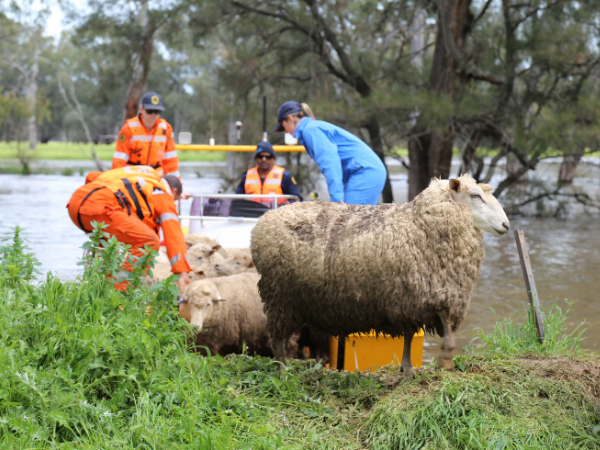
Disaster Recovery Assistance – What Support is Available?
With the recent weather events and flooding across the region, it’s important to keep updated with the recovery assistance and funding available through the NSW Rural Assistance Authority (RAA).

Interest deductions: risks and opportunities
This tax season, we’ve seen a surge in questions about whether interest on a loan can be claimed as a tax deduction. It’s a great question as the way interest expenses are treated can significantly affect your overall tax position. However, the rules aren’t always straightforward. Here’s what you need to know.

Luxury cars: the impact of the modified tax rules
With the purchasing of luxury vehicles on the rise it’s important to be aware of some specific features of the tax system that can impact on the real cost of purchase. Often the tax rules provide taxpayers with a worse tax outcome if the car will be used for business or other income producing purposes compared with a non-luxury car, but this depends on the situation.
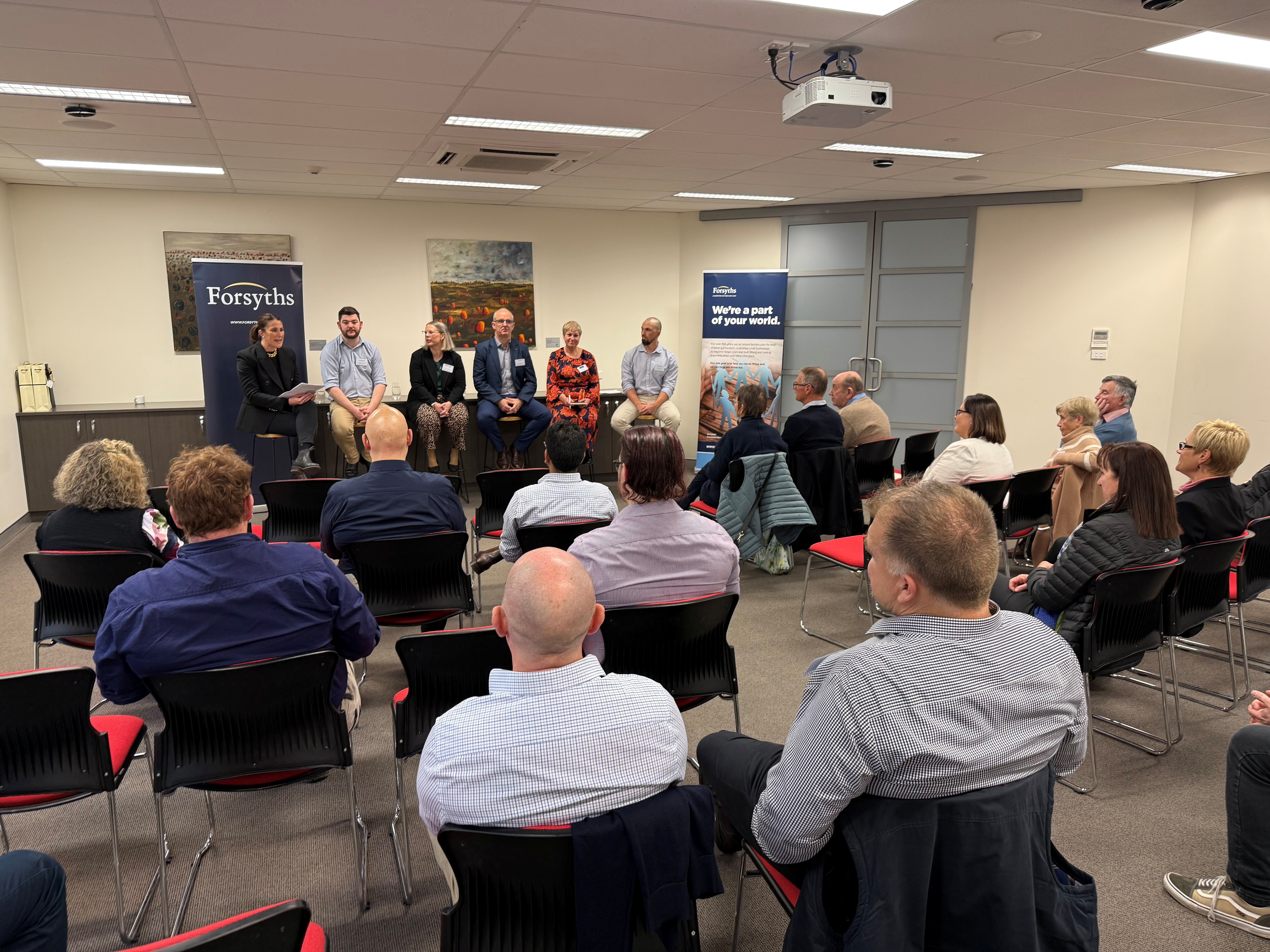
Staying One Step Ahead: Cyber Security & Fraud Protection Seminar
In today’s fast-paced digital world, cybercrime and fraud are becoming some of the greatest threats to small and medium-sized
businesses and protecting your data, finances and reputation has never been more critical.
In July, Forsyths partnered with Cloudwize, Sophos and Westpac delivered an exclusive Cyber Security & Fraud Protection Seminar at our
Tamworth office.

Division 296 super tax and practical things to consider
Division 296 super tax is a controversial Federal Government proposal to impose an extra 15% tax on some superannuation earnings for individuals if their total superannuation balance (TSB) is over $3 million as at 30 June of the relevant income year.

Important tax update - deductions for ATO interest charges scrapped
If you're carrying an Australian Taxation Office (ATO) debt there is a good chance that it will cost you even more from 1 July 2025 onwards. This is because from 1 July 2025 two types of interest charges imposed by the ATO are no longer deductible.

Trust funds: are they still worth the effort?
For decades, trust structures have been a cornerstone of the Australian tax and financial system, prized for their asset protection and flexibility when it comes to income distributions. However, with regulatory changes and mounting administrative complexity the shine has been wearing off lately, prompting some businesses and investors to rethink their use.

Forsyths Foundation 2025 – Supporting Local Communities
We believe in making a difference where it matters most – in the communities where we live and work. Through the Forsyths Foundation, our team comes together each year to help fund and support organisations that change lives.

Celebrating Growth From Within
At Forsyths, we believe our people are our greatest strength. When one team member grows, we all succeed and we are proud to support every individual in realising their full potential. That’s why we’re delighted to share the latest career promotions across our business.

From Air Fryers to Swimwear - Tax Deductions to Avoid
With the 2025 tax season fast approaching the Australian Taxation Office (ATO) is reminding taxpayers to be careful when claiming work related expenses. This is in reaction to a spate of claims that didn’t quite pass the ‘pub test’.

ATO's New Requirements for NFPs
If you are involved with running a not for profit (NFP) organisation it is important to be aware of key obligations and requirements. In particular, if the NFP qualifies as a tax exempt entity there are some specific conditions that need to be satisfied and a relatively new ATO reporting obligation which needs to be undertaken to maintain that income tax exempt status.

Labor's Victory - Unpacking the Promises and Priorities
As the Labor party settle back into their seats having secured a majority in the House of Representatives, we look at the campaign promises and the unfinished business from the last term.

EOFY is fast approaching
Key changes are coming: the SG rate rises to 12% from 1 July 2025, and Payday Super starts in 2026. Businesses should prepare now to stay compliant and manage cash flow.
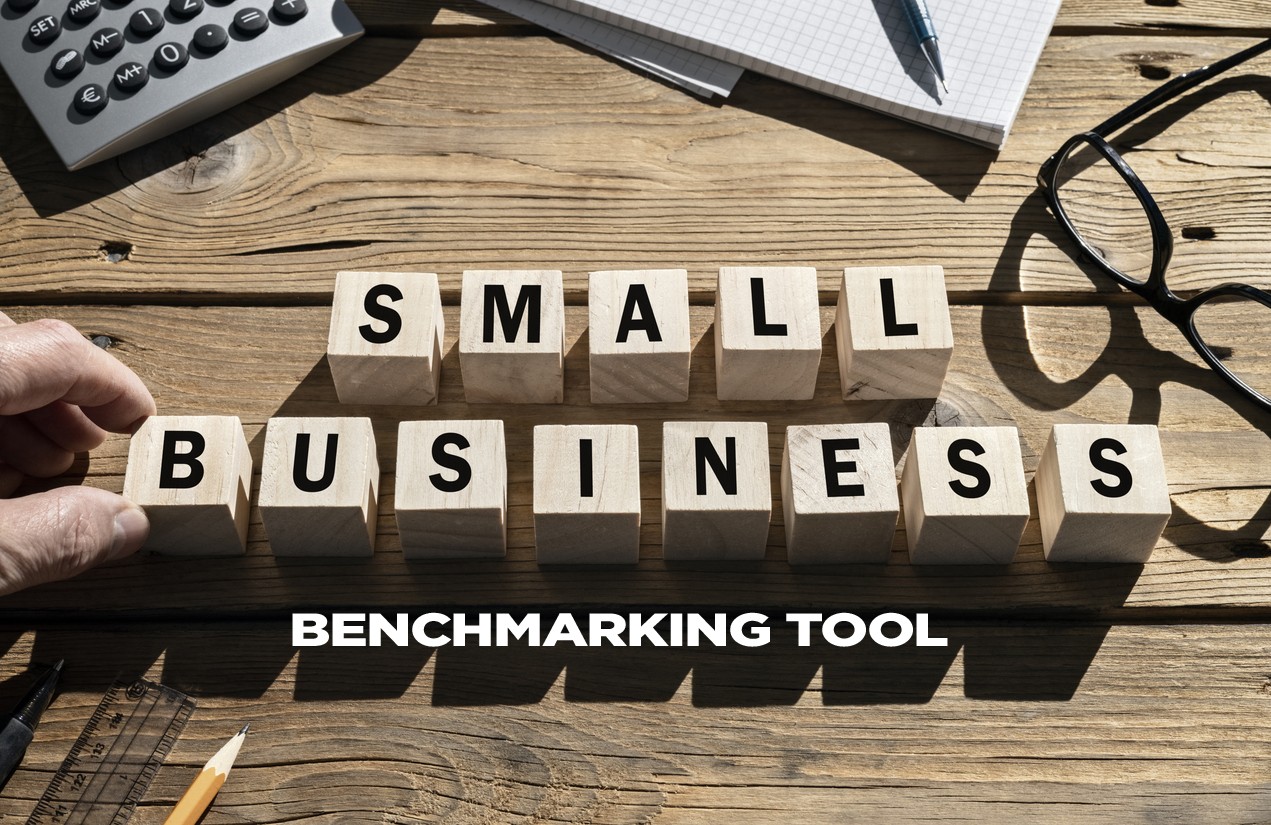
The ATO’s updated small business benchmarking tool
The ATO has updated its small business benchmarks with the latest data taken from the 2022–23 financial year. These benchmarks cover 100 industries and allow small businesses to compare their performance, including turnover and expenses, against others in their industry.

Contact

Social

Offices